Unpacking the Psychological Triggers Embedded in Bonus Round Designs Across Various Reel-Based Games
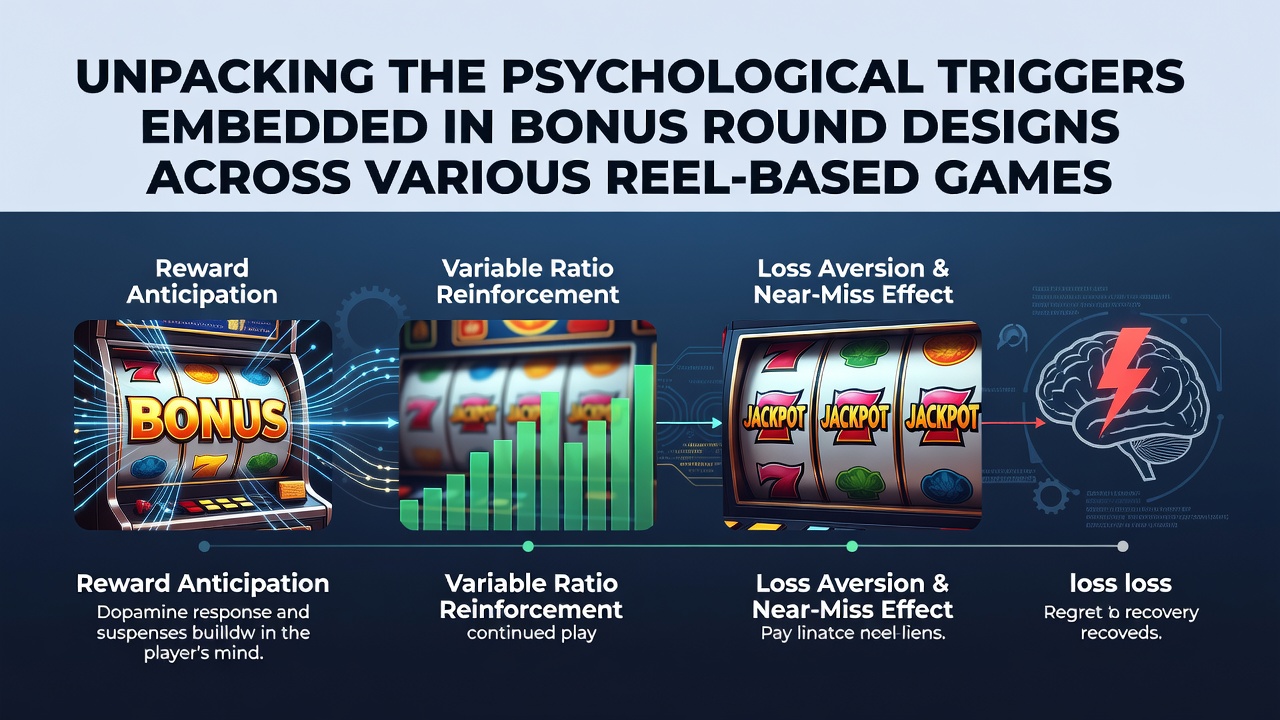
Reel-based games incorporate bonus rounds that activate specific psychological mechanisms, and data from industry analyses show these features extend session lengths while altering player decision patterns. Researchers have documented how variable reward schedules, anticipation cues, and choice elements combine within these sequences, creating structured engagement loops across both land-based and digital platforms.
Core Design Elements in Bonus Rounds
Bonus rounds typically follow a trigger event on the base reels, after which the game shifts to a separate mechanic that might involve pick-and-click selections, free spins with multipliers, or progressive accumulators. Studies indicate that these transitions capitalize on established behavioral principles such as intermittent reinforcement, where outcomes arrive on unpredictable schedules rather than fixed intervals. Data from multiple markets reveal that games employing escalating multipliers during free spins correlate with higher average bet sizes once the round begins.
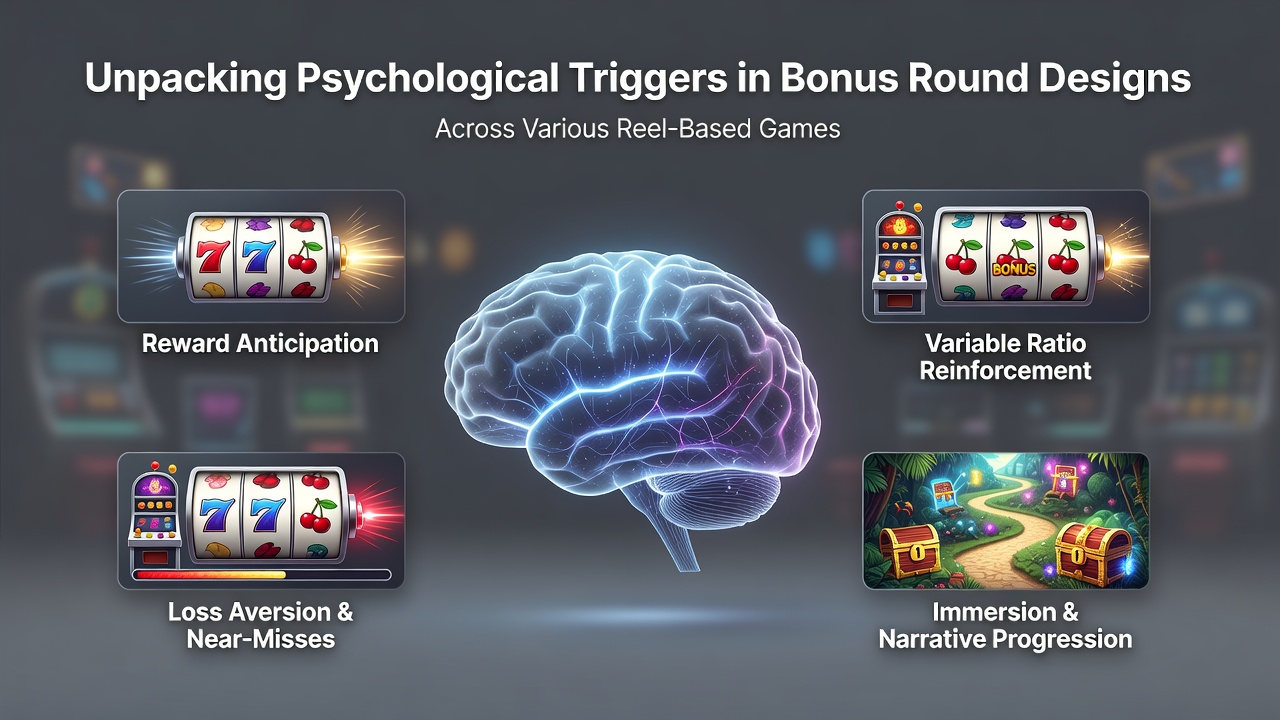
Designers integrate near-miss configurations within bonus sequences as well, positioning symbols just short of additional awards to sustain tension. Observers note that such placements appear more frequently in video slots released after 2024, coinciding with software updates that track real-time engagement metrics. Australian research groups have tracked how these visual cues influence perceived proximity to wins, though actual payout probabilities remain governed by certified random number generators.
Reinforcement Schedules and Player Response Patterns
Variable ratio schedules underpin many bonus structures, delivering rewards after an undetermined number of actions inside the round itself. This approach mirrors findings from earlier laboratory work on operant conditioning, and recent figures from North American operators show elevated play volumes in titles that randomize the number of free spins awarded. Players encounter layered triggers where initial selections unlock further layers, each carrying its own probability distribution for larger prizes.
Choice-based bonuses add another dimension by presenting apparent control over outcomes through selection interfaces, even when underlying algorithms determine results in advance. Reports compiled by the National Council on Problem Gambling indicate that such illusions of agency appear across multiple jurisdictions and contribute to extended decision times during rounds. In July 2026, regulatory filings from several Canadian provinces highlighted increased scrutiny of these interfaces following player behavior audits that flagged prolonged bonus interactions.
Variations Across Game Categories and Regions
Classic three-reel machines tend toward simpler bonus implementations such as single-screen pick features, whereas five-reel video slots and branded titles deploy multi-stage rounds with narrative framing. European operators have adopted hybrid models that blend reel mechanics with light skill elements, and data compiled by the European Gaming and Betting Association show these hybrids appearing more often in regulated markets since early 2025. Regional preferences surface in payout structures as well, with Asian markets favoring accumulator bonuses that build across multiple rounds while North American platforms emphasize standalone high-multiplier events.
Software providers calibrate these differences based on market-specific telemetry, adjusting symbol weights and bonus frequencies to align with local regulatory caps on return-to-player percentages. One analysis of deployment patterns across 12 jurisdictions found that games with rapid bonus re-triggers maintained higher retention rates in mobile formats compared with desktop versions, particularly when push notifications alerted users to pending features.
Measurement of Engagement Effects
Operators track session metrics that capture bonus round frequency, average duration, and post-round betting adjustments. Figures released by state gaming commissions in the United States demonstrate that titles with complex bonus ladders generate longer continuous play periods than those limited to base-game mechanics alone. Researchers have linked these patterns to dopamine-related anticipation responses documented in neuroimaging studies, although direct causation requires further controlled trials.
Cross-platform comparisons reveal that digital reel games deliver bonus content at higher rates than their land-based counterparts due to lower mechanical constraints, and this acceleration shows up in aggregated handle data from multiple operators. Regulatory bodies in Australia have begun requiring disclosure of bonus activation rates in player information displays, a measure introduced in updates effective through mid-2026.
Conclusion
Bonus round architectures in reel-based games integrate multiple psychological triggers through reward timing, visual signaling, and selection mechanics, with measurable impacts on play behavior across global markets. Ongoing data collection by regulatory agencies and academic groups continues to map these relationships, providing updated insights into how design choices intersect with player activity patterns as of July 2026.