How Machine Learning Models Are Refining Personalized Experiences in Virtual Betting Environments
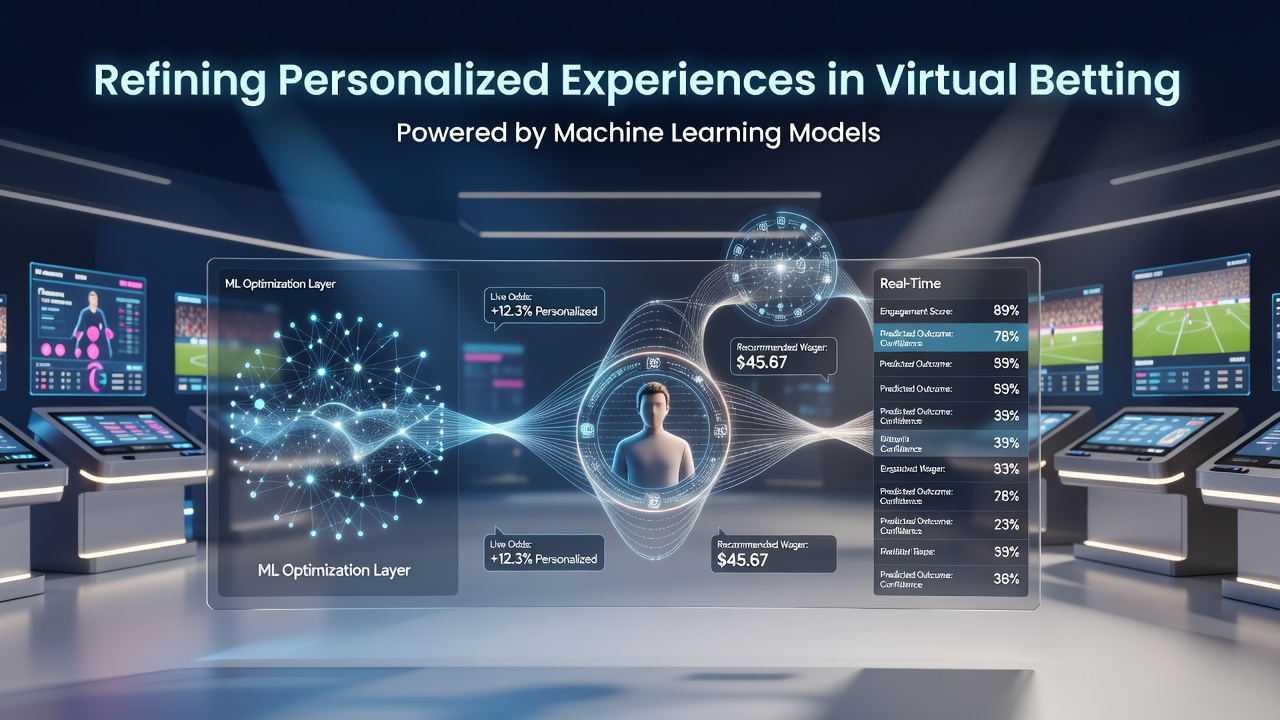
Machine learning models process vast datasets from user interactions in virtual betting environments, where algorithms identify patterns in betting frequency, preferred game types, and session durations to generate individualized recommendations that adjust in real time. These systems draw from historical transaction records and behavioral signals collected across platforms, which allows operators to present game suggestions or promotional offers aligned with specific player profiles without requiring manual intervention from staff.
Core Mechanisms Driving Personalization
Supervised learning techniques train on labeled datasets that include past wins, losses, and navigation paths, whereas unsupervised methods cluster users into segments based on similarities in activity such as high-volume sports bettors versus casual slot participants. Reinforcement learning components then optimize offer timing by testing variations in bonus structures and measuring response rates through A/B deployment across user cohorts. Data from June 2026 shows increased adoption of these hybrid models among major platforms, where continuous model updates incorporate fresh inputs from live sessions to refine prediction accuracy for next-action forecasts.
Application in Recommendation Engines and Dynamic Interfaces
Recommendation engines analyze sequences of user choices to surface content like specific virtual table games or event-based wagers that match demonstrated preferences, while interface adjustments modify layout elements such as button placement or color schemes according to engagement metrics tracked per individual. Collaborative filtering compares one account's activity against anonymized aggregates from similar profiles, which produces suggestions that evolve as new data arrives during a single visit. Observers note that such adaptations occur within milliseconds of each click or bet placement, creating a feedback loop where the platform responds directly to observed behavior rather than static rules.
Integration with Risk Assessment and Responsible Features
Models also support responsible gambling protocols by flagging deviations from established patterns, such as sudden increases in stake sizes or extended play periods, and then triggering tailored interventions like session reminders or limit prompts customized to the user's typical habits. These features operate alongside core personalization layers, so a high-frequency player might receive different messaging than someone with sporadic activity even when both trigger the same risk threshold. Research from the University of Nevada Reno's gaming analytics program indicates that integration of these signals with machine learning classifiers has expanded the granularity of user monitoring across multiple jurisdictions.
Regional Implementation Trends Observed in Mid-2026
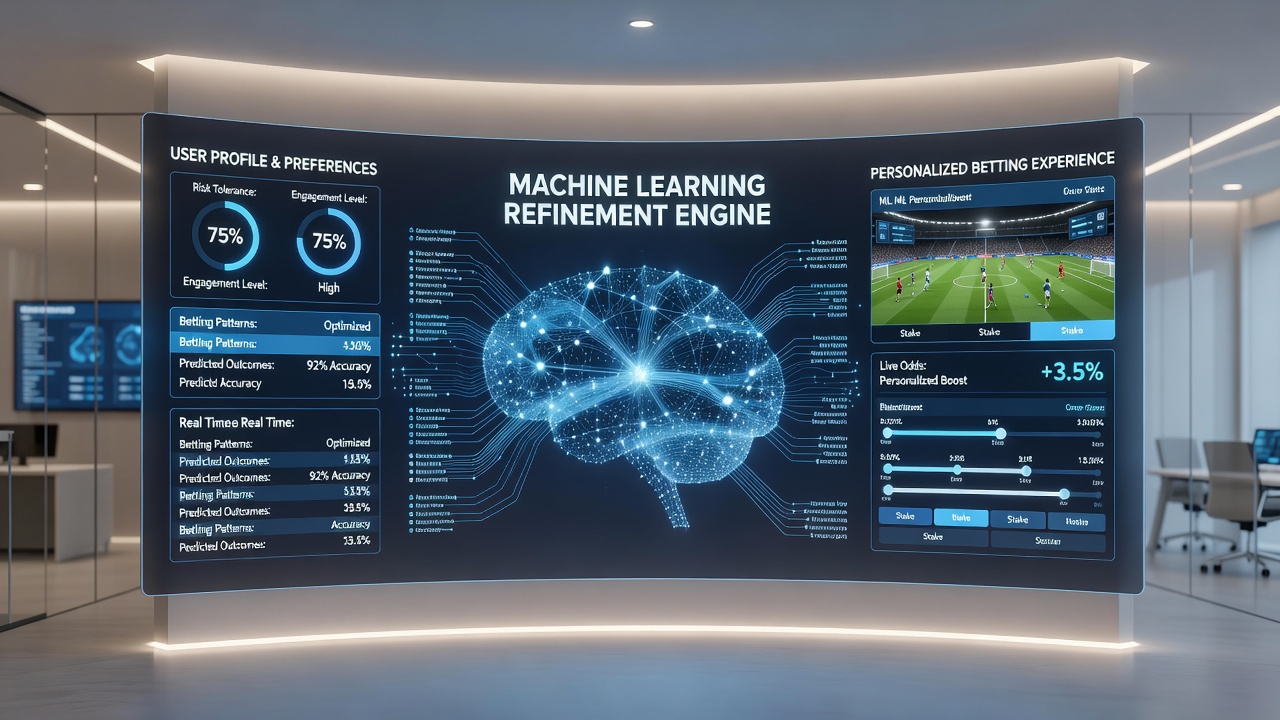
Platforms operating under the Malta Gaming Authority framework have documented shifts toward federated learning approaches that keep raw user data localized while sharing model updates across borders, which maintains compliance with varying data protection standards. In North American markets, operators reference aggregated statistics from the American Gaming Association to benchmark how personalization correlates with retention rates in states with established online frameworks. Australian regulatory reports from the same period highlight similar deployments focused on sports wagering apps, where models incorporate external variables like team performance data alongside individual betting histories to refine suggested markets.
Technical Challenges and Ongoing Refinements
Model drift remains a persistent issue when user preferences shift due to seasonal events or platform updates, prompting developers to implement periodic retraining cycles that incorporate recent interaction logs while preserving privacy through differential privacy techniques. Scalability demands require distributed computing resources capable of handling simultaneous queries from millions of active sessions, and operators address this through edge processing that reduces latency for real-time adjustments. Those who have examined deployment logs across several providers report that hybrid architectures combining on-device inference with cloud-based training deliver the most stable performance under peak loads.
Conclusion
Machine learning continues to shape how virtual betting environments deliver tailored content by linking behavioral data directly to algorithmic outputs that adapt across recommendation systems, interface designs, and risk tools. As platforms refine these capabilities through iterative testing and regional compliance adjustments, the underlying models maintain focus on pattern recognition and response optimization drawn from expanding datasets. Continued monitoring of performance metrics through mid-2026 and beyond provides the empirical basis for evaluating further technical developments in this domain.