Biometric Verification Trends Reshaping Access to Live Dealer Tables on Portable Devices
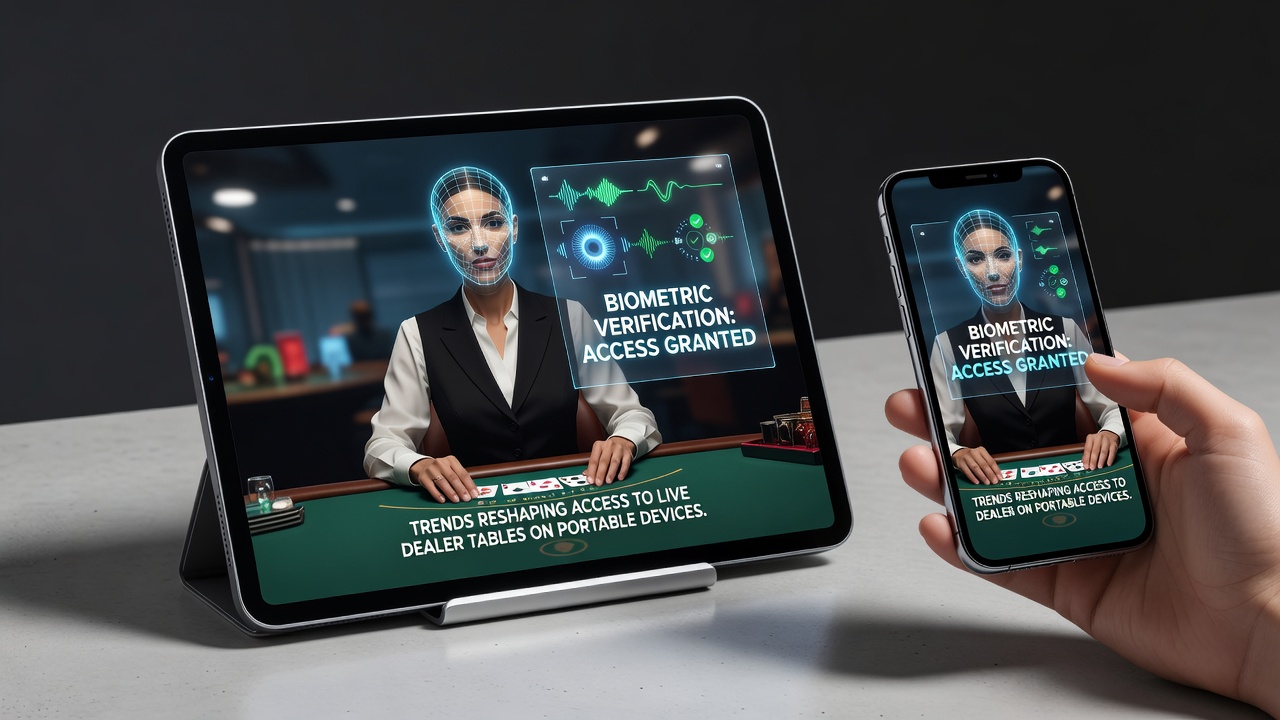
Biometric verification has moved from optional security add-on to core access mechanism for live dealer tables on smartphones and tablets, and the shift accelerated through the first half of 2026. Operators now integrate fingerprint sensors, facial recognition systems, and behavioral analytics directly into mobile applications so players can enter tables without typing passwords or navigating multi-step logins. The change matters because live dealer sessions require continuous authentication to satisfy regulatory rules on player location and age verification while keeping gameplay uninterrupted on portable devices.
Core Technologies Driving Mobile Access
Fingerprint scanning remains the most widely deployed method across both iOS and Android platforms because most current portable devices include dedicated sensors that authenticate in under a second. Facial recognition has gained ground since Apple and Google refined their depth-mapping cameras, allowing operators to layer three-dimensional face checks that resist simple photo or video spoofing attempts. Behavioral biometrics, which track swipe patterns, typing rhythm, and device tilt, run in the background and flag anomalies without forcing the player to perform an extra action.
These methods combine in multi-modal setups that require two successful signals before granting table access. One operator in Pennsylvania reported that switching to combined fingerprint-plus-behavioral checks reduced account takeover incidents by 47 percent between January and June 2026, according to data shared with the Pennsylvania Gaming Control Board. Similar patterns appear in Ontario, where iGaming Ontario licensing data shows a steady rise in biometric-only login options offered by platform providers.
Impact on Live Dealer Table Entry
Live dealer environments demand tighter identity controls than automated slots because real-time video streams involve higher per-hand stakes and direct interaction with dealers. Portable devices introduce extra variables such as changing network conditions and physical movement, so biometric systems must maintain accuracy when players switch between Wi-Fi and cellular or tilt their screens to follow card action. Systems that previously required re-authentication every thirty minutes now extend sessions to ninety minutes once initial biometric confirmation succeeds, reducing friction while regulators still receive audit logs of each verified entry.
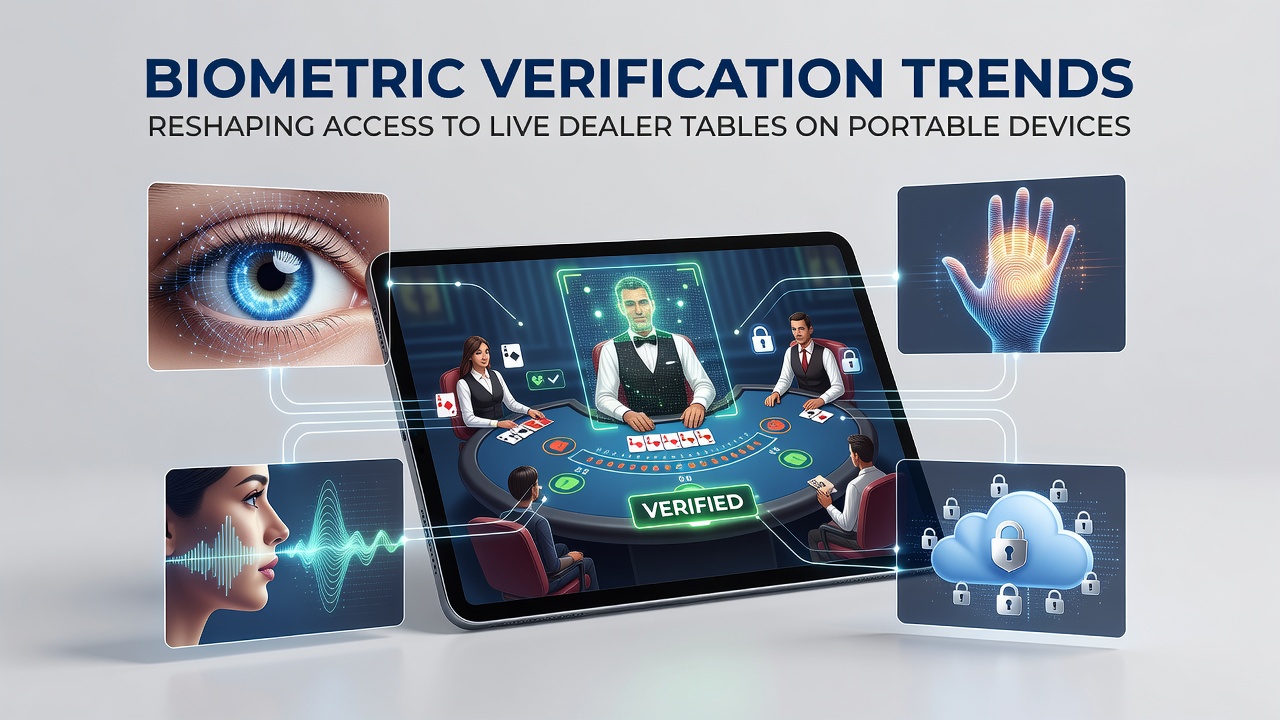
Device manufacturers have supported the trend by embedding secure enclaves that store biometric templates locally rather than transmitting raw data to servers. This architecture limits exposure during breaches and aligns with privacy expectations in jurisdictions that treat biometric information as sensitive personal data. As of July 2026, several major platforms allow players to register multiple devices under a single biometric profile, so switching from phone to tablet does not trigger fresh identity checks beyond a quick behavioral confirmation.
Regulatory and Security Developments
Regulators in different regions have updated technical standards to accommodate biometric verification while maintaining auditability. The Pennsylvania Gaming Control Board now accepts biometric session tokens as part of its remote gaming reporting framework, and comparable guidance has emerged from the Alcohol and Gaming Commission of Ontario. Industry groups such as the European Gaming and Betting Association have published interoperability guidelines that help operators standardize how biometric events appear in compliance exports.
Security researchers continue to test spoofing techniques, and vendors respond with liveness detection upgrades that analyze micro-movements and blood-flow patterns. One 2025 study from a Canadian university laboratory demonstrated that updated facial systems rejected 99.2 percent of printed and screen-displayed presentation attacks under controlled conditions. These findings have encouraged operators to adopt the newer algorithms ahead of scheduled compliance deadlines in several markets.
Adoption Patterns Across Regions
North American operators moved fastest because existing mobile sportsbooks already used biometrics for deposit approvals, creating a ready pathway for live dealer integration. European markets show more gradual rollout, partly because some national rules still require periodic manual identity re-verification even after biometric login succeeds. Markets in the Asia-Pacific region have focused on voice biometrics alongside facial methods, reflecting local preferences for hands-free authentication on smaller phone screens during commute play sessions.
Device-level differences also shape implementation. Newer flagship phones support ultrasonic fingerprint sensors that work through screen glass, while older models rely on capacitive readers that sometimes fail when fingers are wet or dirty. Operators therefore maintain fallback options such as one-time PINs delivered through push notifications so players on legacy devices retain access without abandoning biometric pathways entirely.
Conclusion
Biometric verification on portable devices has become the primary gateway to live dealer tables because it satisfies both security mandates and player expectations for speed. Continued hardware improvements from device makers, combined with clearer regulatory acceptance of tokenized biometric records, point toward wider deployment through the remainder of 2026 and beyond. Observers tracking these developments note that the same systems now used for table access are expanding into responsible-gambling tools that detect session fatigue through changes in interaction patterns, further embedding biometrics into the daily operation of mobile live dealer platforms.